top of page
background_edited_edited_edited_edited.png

AI ThoughtCon

3 days of global conversation on trust, storytelling, and using AI for good

Image by Marek Piwnicki
University Researchers · Industry Leaders · Developers · Localization Executives · AI Policy Voices
Register for Free

 AI is here to stay: How do we shape our future?

AI is no longer optional. AI changes meaning. It makes us question what's trustworthy and what our roles are.


So, what are our choices?

​

Localization professionals have long enabled global business and communication. Today, our role expands. We can become educators, stewards, and custodians of ethics and responsible governance in a world that doesn’t have to be just AI-first.

​

This conference brings together historians, educators, developers, and language practitioners to explore how we build trustworthy, human-centered AI. Because in a world where language is power, how we shape AI matters.

ChatGPT Image Feb 11, 2026, 01_56_28 PM.png

12 Invited speakers

ChatGPT Image Feb 11, 2026, 01_57_39 PM.png

11 Sessions

ChatGPT Image Feb 11, 2026, 01_58_15 PM.png

3 Days

largescreen_edited_edited.jpg

Say Hello to the Speakers

CONFERENCE PROGRAM

March 30, 2026

Day 1 - The Future

16:00-16:50

Keynote

Truth, Trust, and the Politics of Expertise in Times of Change


​​​​​​​

​​​

​

​​​​​​​

​

​

​

17:00-17:50

Panel 

​

​

​

​

​​

​​

​

​​​​​​​​

​​​​

​​​​​​​​

​​18:00-18:30

Talk #1

Storytelling and the Value of Localization

​


​​​​​​​​​​​​

​​​​​​​

image (5).png

Maria Zarifi

Belen Agullo Garcia.jpg

Moderator

image (7).png

Belén Agulló García

Veronika Hylak

image (8).png

John O Shea

image (6).png

Dan Taber

Balazs headshot smiley square 1080p.jpg

Balazs Kis

Panelists

Times of profound change invite us to reconsider the very foundations upon which truth and trust are built. Throughout history, transformations in scientific and medical knowledge have unsettled established hierarchies of expertise, revealing that authority is not a fixed attribute but a relational and negotiated one. Trust, in this sense, emerges not from certainty but from shared practices of meaning-making, interpretation, and care. This keynote turns to historical episodes from medicine and science (moments when new instruments, concepts, and infrastructures disrupt familiar worlds) to illuminate how professionals have confronted situations where change unfolded faster than their existing frameworks could accommodate.

Following the keynote's exploration of how trust and expertise are negotiated during periods of transformative change, this panel brings these insights into practical focus

Keynote speaker

Speaker

image (9).png

Miguel Sepulveda

Localization teams do great work, but their impact is often invisible to the business. This session is about changing that. It demonstrates how storytelling and public speaking enable localization leaders to influence decisions, connect metrics to business outcomes, and position localization as a true business enabler that supports performance and growth.

Day 2 - The People

March 31, 2026

16:00-16:50

Panel

AI Bias & AI Ethics. What must the Localization Industry reckon with? ​


​
​​​​​​​​​​​​​


​17:00-17:30

Talk #1 

Teaching translation in the age of generative AI​​

​​

​


​​​​​​​


​​​​​​

​​

​

17:30-18:00

Talk #2

From Text to Voice: The New Role of Linguists in the Age of AI Speech

​

​

​


​​​

​

​

​

​​​

​​


18:00-18:30

Talk #3

Creative Control in AI Translation: Designing Work Humans Still Want to Do

​

​​

​

​

​​​​​​

Moderator

MPantcheva_2024.jpg

Marina Panctheva

Panelists

Hilary_A_Normanha.png

Fabiano Cid

Hilary Atkison

Normanha

Michael Reid

Sheriff Issaka

Fabiano_Cid.jpeg
Michael_Reid.jpg
Sheriff_Issaka.jpg

This panel examines where bias in AI originates, how it manifests itself in language technologies, and what ethical, cultural, and economic consequences it has. We talk about the scope of the issues, its impact, and the responsibility the localization industry holds in mitigating harm.

Speaker

Moorkens2-2019.jpg

Joss Moorkens

This talk will discuss how translation programmes have adjusted since the advent of Gen AI, in many ways continuing changes to programmes and to graduate employment profiles over the past 10 years or so. Aside from our experience at Dublin City University, the content will be based on the shared experiences of programmes in the European Masters in Translation network and contributors to our recent edited book on teaching translation in the age of Gen AI.

Speaker

Cristina_Contini_Picture.png

Cristina Contini

Speaker

Daniel_Sebesta.jpg

Daniel Sebesta

As content shifts from written formats to spoken experiences, the role of language professionals is evolving. With AI-generated voices becoming a core part of multilingual communication, linguists are uniquely positioned to guide, refine, and elevate synthetic speech.

In this session, we’ll explore how language professionals can expand their skill set to work with AI voice technologies ensuring linguistic quality, emotional authenticity, and cultural relevance, while unlocking new career opportunities in the growing field of voice-driven localization.

AI changes more than speed and cost—it reshapes how translating feels, how attention is spent, and where creativity lives. Framing this shift as “post-editing” misses what is actually happening: translation is becoming human-guided system design. This session examines intent setting, constraint definition, curation, evaluation, and selective intervention as core human contributions. We will look at how cognitive load shifts rather than disappears, why judgment is becoming more—not less—valuable, and how low-agency workflows drain energy and skill. The focus is on reclaiming control in a landscape where power increasingly sits with platforms and buyers—and on designing AI-mediated translation work that remains meaningful, sustainable, and worth paying for.

April 1, 2026

Day 3 - The Technology

16:00-16:50

Keynote

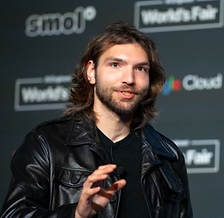
AI from developers' perspective
 

​

​​

​

​​​​​

​

​

​

​

17:00-17:30

Talk #1

Scaling without SaaS lock-in: practical automation and the boutique LSP approach

​

​

​

​

​​​

​

​​

​

​

​

​​​​​​​​​​​​

​

​

​

17:30-18:00

Talk #2

From Prototype to Production: AI-Powered Software Generation in Localization Workflows


​​​

​

​

​​​​

​

​

​

​

​​

18:00-18:30

Talk #3

What “Good” Looks Like: Evaluating GenAI Content Quality

​

​​

​

​

​​​​​​

Speaker

Emily face only.png

Emily Diamantopoulou

image (16).png

Istvan Lengyel

Speaker

Keynote speaker

BenHylak.png

Ben Hylak

Speaker

MartaNietoCayuela_2.jpeg

Marta Nieto Cayuela

To grow in the AI era, boutique LSPs are called to scale under permanent time pressure. There is rarely spare capacity to redesign operations, because the same small team is also delivering projects, handling clients, and keeping the business running. Traditionally, we rely on SaaS platforms that promise order, but with trade-offs: dependency, limited configurability, and incremental pricing that can penalise growth. In this session, I will share practical lessons from our work at Rhyme&Reason Language Services and RIMA Language_Tech_Culture, where we have created a lightweight workflow-orchestration layer using AI agents to connect and standardise operational steps. I will walk through what has worked (and what has not) when automating routine tasks - intake and quoting, file routing and versioning, hand-offs, and QA checkpoints - while keeping human judgement and accountability in place. A key theme is sustainability for small teams: automation that can be understood, maintained, and easily adjusted without becoming a second job. I will also share a simple decision framework for what to automate first (and what to leave manual) so that small teams can prioritise the changes that actually help. We will also look at where AI can meaningfully support boutique companies in specialist niches, by reducing coordination overhead, speeding up structured drafting and triage, and improving consistency, without outsourcing judgement to the tools.

When ideas must quickly become working software, BeLazy leveraged Lovable to turn concepts into prototypes that align teams and reduce wasted time. In this talk, Istvan will show how they built AI Hub and many tools entirely through AI generation. Key lesson: AI accelerates clarity but doesn’t create it. Prototyping differs sharply from controlled production development.

In this session, we will present a practitioner's approach to assess the quality of GenAI-generated translations and multilingual content. We will cover commonly used evaluation metrics, their limitations, and how to design a scalable quality framework for both translations, and multilingual use cases. We will also discuss how evolving expectations are reshaping tools, processes, and best practices based on recent research and real-world quality management case studies.

JOIN THE CONVERSATION

You have a voice that matters.

The conversation is just getting started, and there’s work to do.

Join us — and let’s figure this out together.

Register for Free
bottom of page